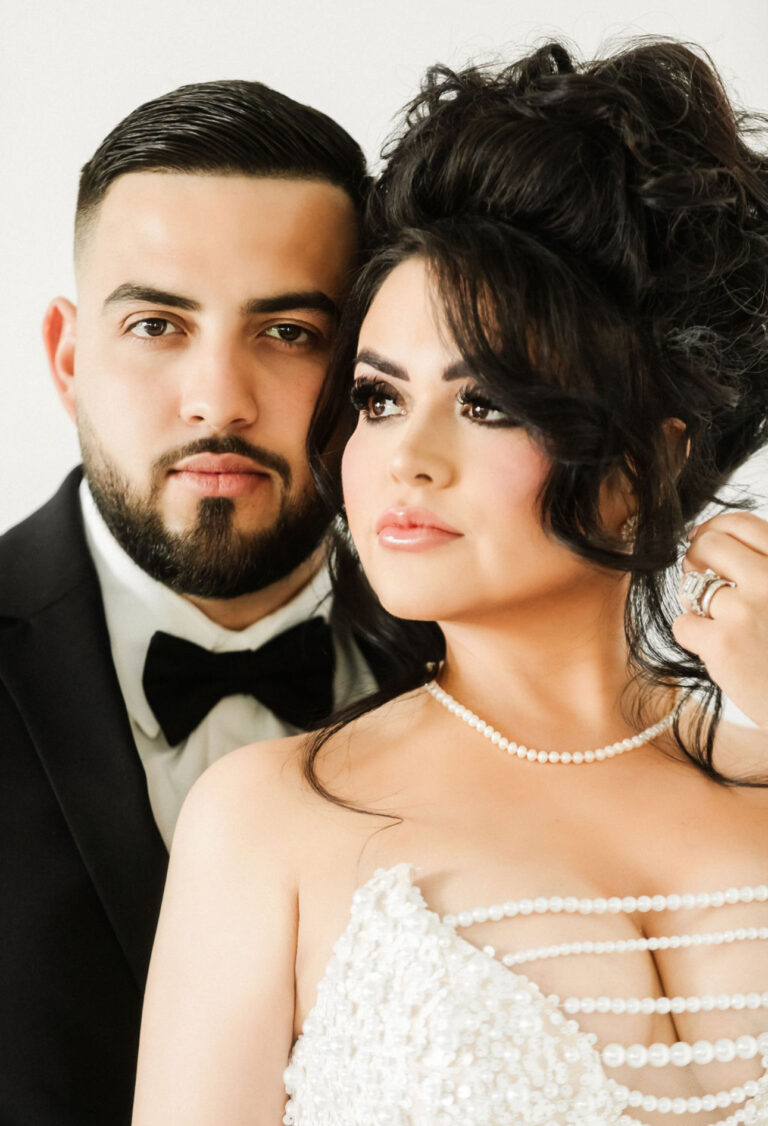
Stages of Motherhood
Stages of Motherhood
Motherhood is a journey filled with diverse experiences and emotions, evolving through different stages as both mother and child grow. Each stage presents unique challenges and joys, shaping the relationship between a mother and her children. Here’s a look at the various stages of motherhood:
1. Pregnancy
Physical Changes and Preparation
Pregnancy marks the beginning of the motherhood journey, characterized by significant physical changes and emotional adjustments. Expecting mothers often spend this time preparing for the arrival of their baby, both mentally and physically, by attending prenatal classes, setting up a nursery, and learning about childbirth and infant care.
Emotional Rollercoaster
Hormonal changes can lead to a wide range of emotions, from excitement and anticipation to anxiety and uncertainty. Support from partners, family, and healthcare providers can be crucial during this transformative time. Please know, that it is ALWAYS OK TO ASK FOR HELP! Hormones and the weight of life can sometime become unbearable. If ever needed, NEVER be afraid to ask for professional help. It is absolutely nothing to be ashamed of, it’s actually quite the opposite. It is extremely brave to seek help when needed. You will become the person you need to be for yourself, your children and those around you! Hang on just one more day, take life by the minute if needed!

2. Infancy
Bonding and Caregiving
The infancy stage is all about creating a strong bond with the newborn through nurturing and caregiving. Mothers often focus on breastfeeding or bottle-feeding, sleep schedules, and adjusting to the baby’s needs. This period is marked by sleepless nights and a steep learning curve as parents adapt to life with a newborn.
Development Milestones
Witnessing the baby’s first smile, coo, and other milestones can be incredibly rewarding, fostering a deep connection and sense of fulfillment.

3. Toddlerhood
Exploration and Independence
As children become toddlers, they start exploring their independence, which can be both thrilling and challenging for mothers. This stage involves teaching basic skills like walking, talking, and potty training.
Setting Boundaries
Mothers often focus on setting boundaries and establishing routines to help toddlers understand limits and expectations, which is essential for their development and safety.

4. Preschool and Early Childhood
Learning and Socialization
During this stage, children begin to attend preschool and engage in social activities. Mothers play a crucial role in fostering a love for learning and encouraging social interactions with peers.
Balancing Guidance and Independence
Balancing guidance with allowing children to make their own decisions is key. Mothers often find themselves supporting their child’s growing interests and helping them navigate friendships and social settings.
5. School Age
Academic Support and Extracurricular Activities
The school-age stage involves supporting children academically and encouraging participation in extracurricular activities. Mothers often engage in school events, help with homework, and support their child’s interests.
Developing Values and Ethics
Mothers also focus on instilling values, ethics, and good behavior, helping children develop a strong moral compass and a sense of responsibility.
6. Adolescence
Navigating Changes and Challenges
Adolescence is a stage of rapid physical, emotional, and social changes. Mothers may find themselves navigating challenging conversations about identity, independence, and peer pressure.
Encouraging Open Communication
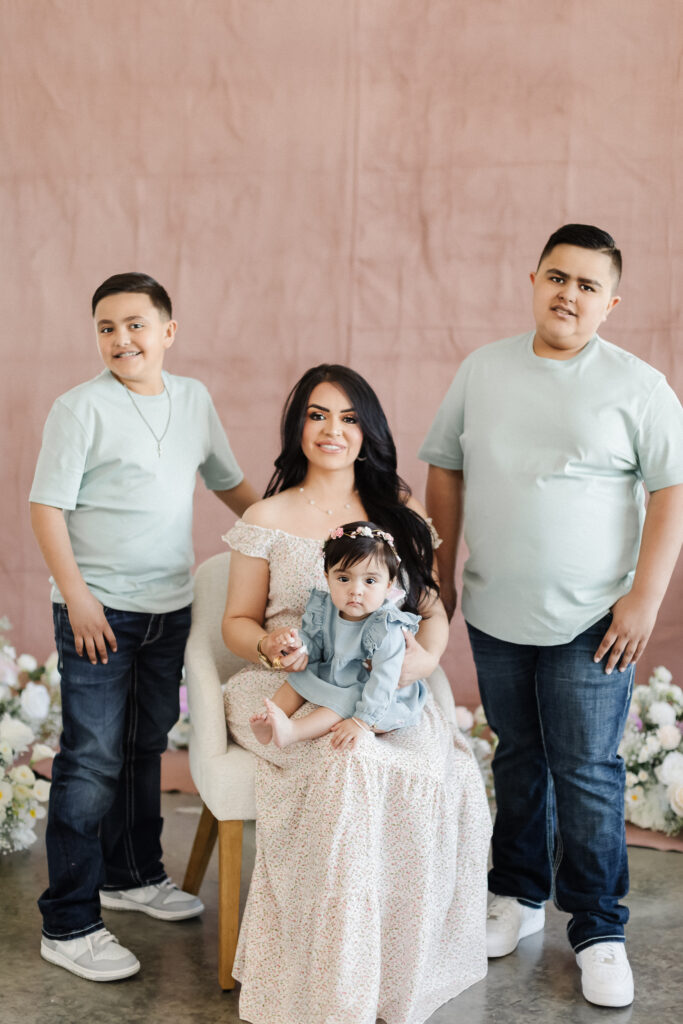
Maintaining open communication and building trust is vital during this stage. Mothers can offer guidance and support while respecting their adolescent’s growing need for autonomy. I strive to maintain a friendly but still parental, relationship with my older children. Pictured below are my two, adolescent boys, Kevin and Kenny.

7. Young Adulthood
Supporting Independence
As children transition into young adulthood, they begin to establish their own identities and make independent life choices. Mothers play a supportive role, providing advice and encouragement as their children pursue higher education, careers, and relationships.
Redefining the Relationship
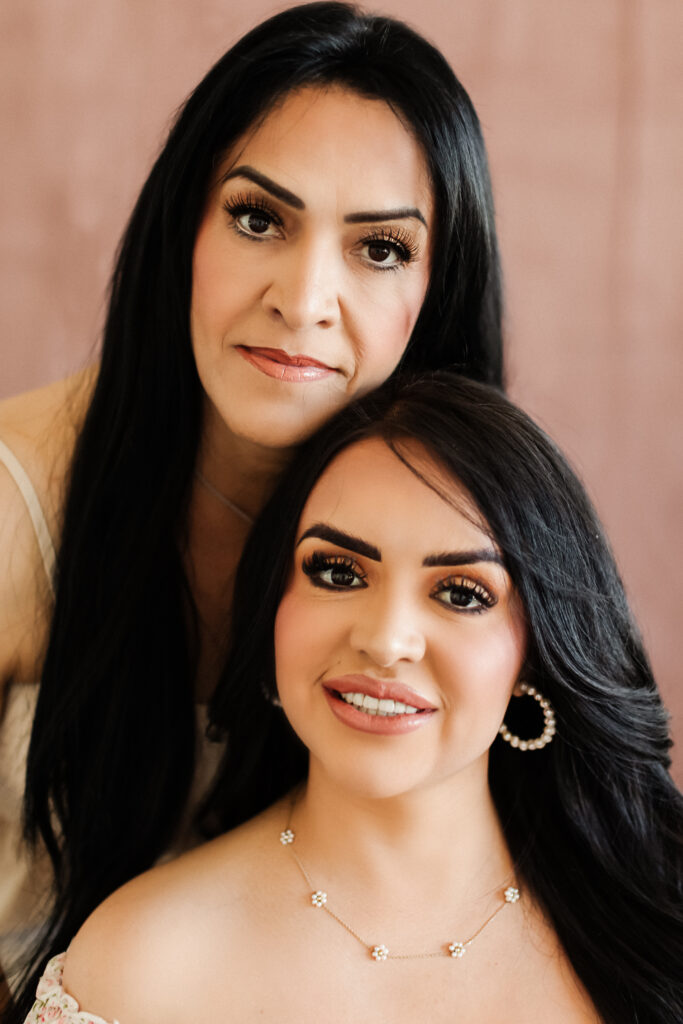
Mothers and their young adult children often redefine their relationship, moving towards a more peer-like dynamic where mutual respect and understanding are paramount. Thanks to my mother’s prime examples, I turned out to be a pretty ok adult! Below is a picture of my lovely mother alongside myself.
8. Motherhood as a Grandparent
Passing on Wisdom
For many, motherhood continues into the role of a grandparent, where they can share their wisdom and experience with the next generation. This stage often brings opportunities to bond with grandchildren and support their own children in their parenting journey.
Enjoying a New Role
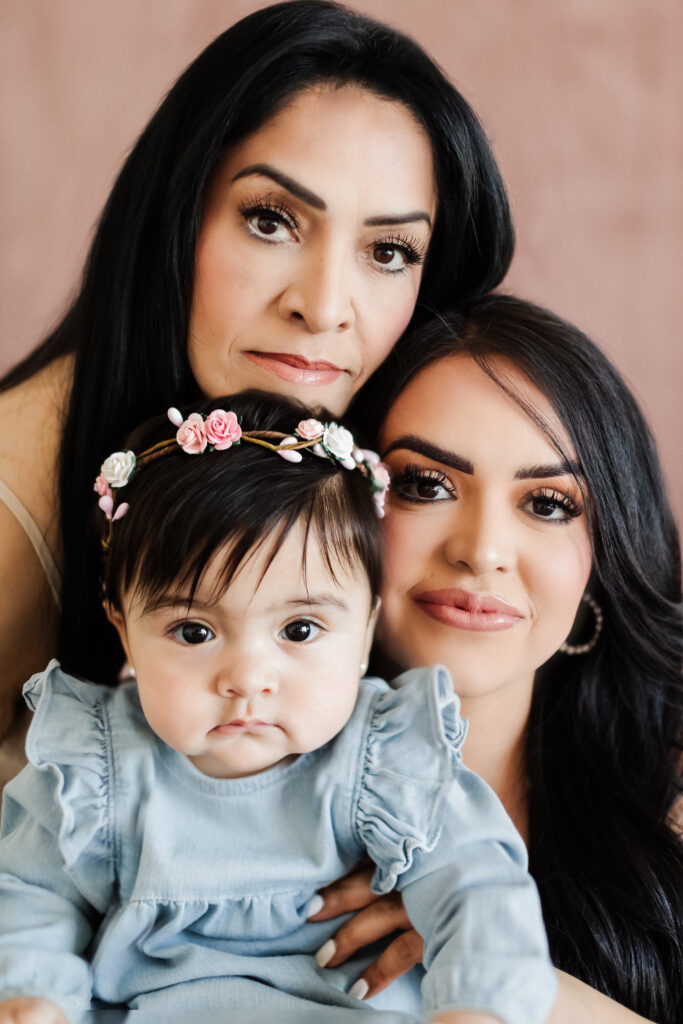
Being a grandparent allows mothers to enjoy the joys of childhood once more, without the primary responsibilities, fostering relationships built on love, support, and shared experiences. Pictured below is my beautiful mother, living her best life as a mother and grandmother!

In conclusion, the stages of motherhood are a dynamic journey filled with growth, learning, and love. Each stage offers its own set of experiences, enriching the lives of mothers and shaping the futures of their children. Personally, I know that if there was one thing I was supposed to be in this life, is a mom. It is the one thing I know I am good at.
As always, best wishes and much love,
-Colorfully Cindy